
1790–1835
First Coastal Beacons
Harbor-facing lantern towers marked dangerous shoals, creating the coast’s earliest shared navigation network.
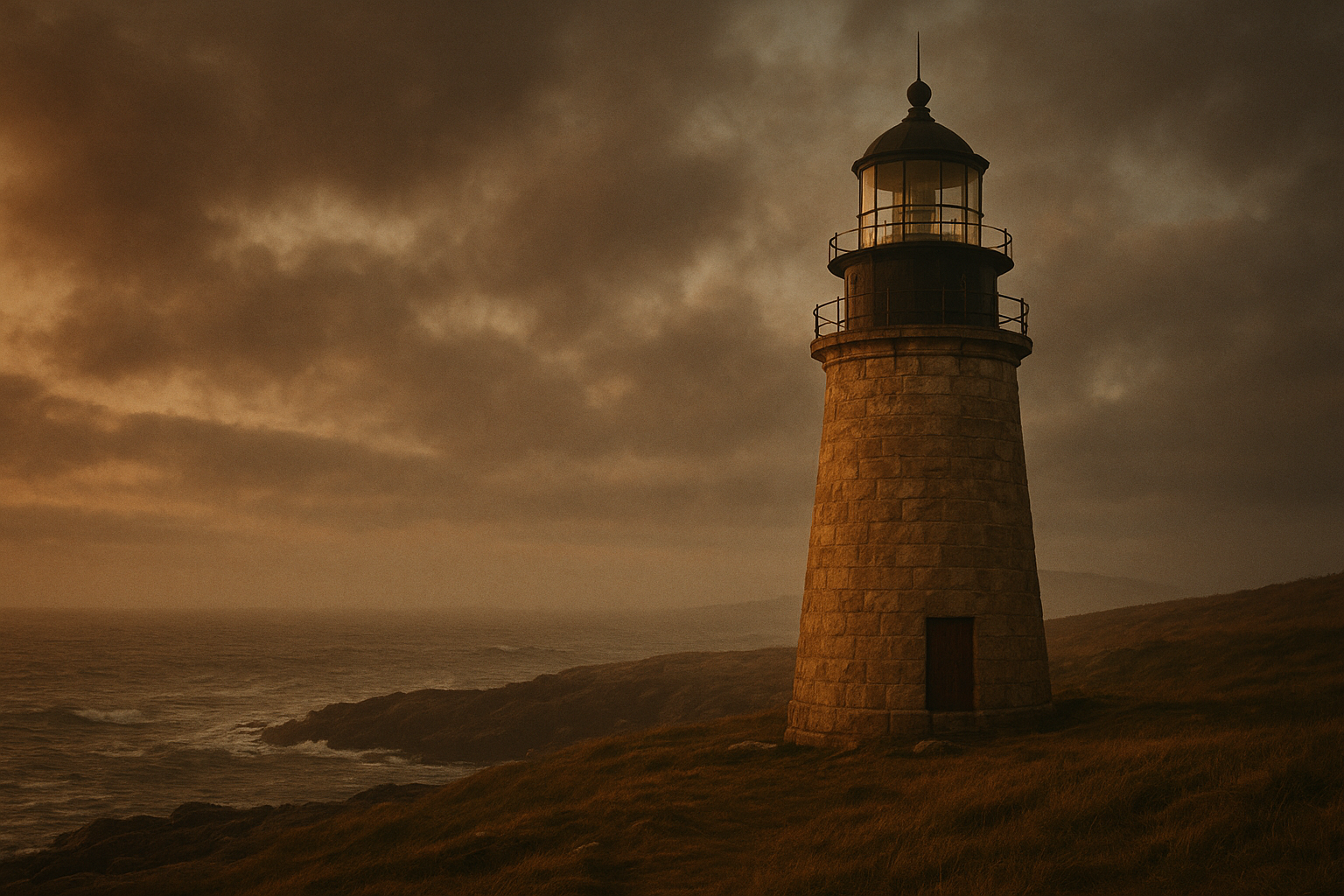
Northern Coast Lighthouses
Explore archive photographs, keeper recollections, and preserved towers in one documentary record.
Intro overview
Built for safer passage, they became cultural markers of labor, weather, and coastal memory.
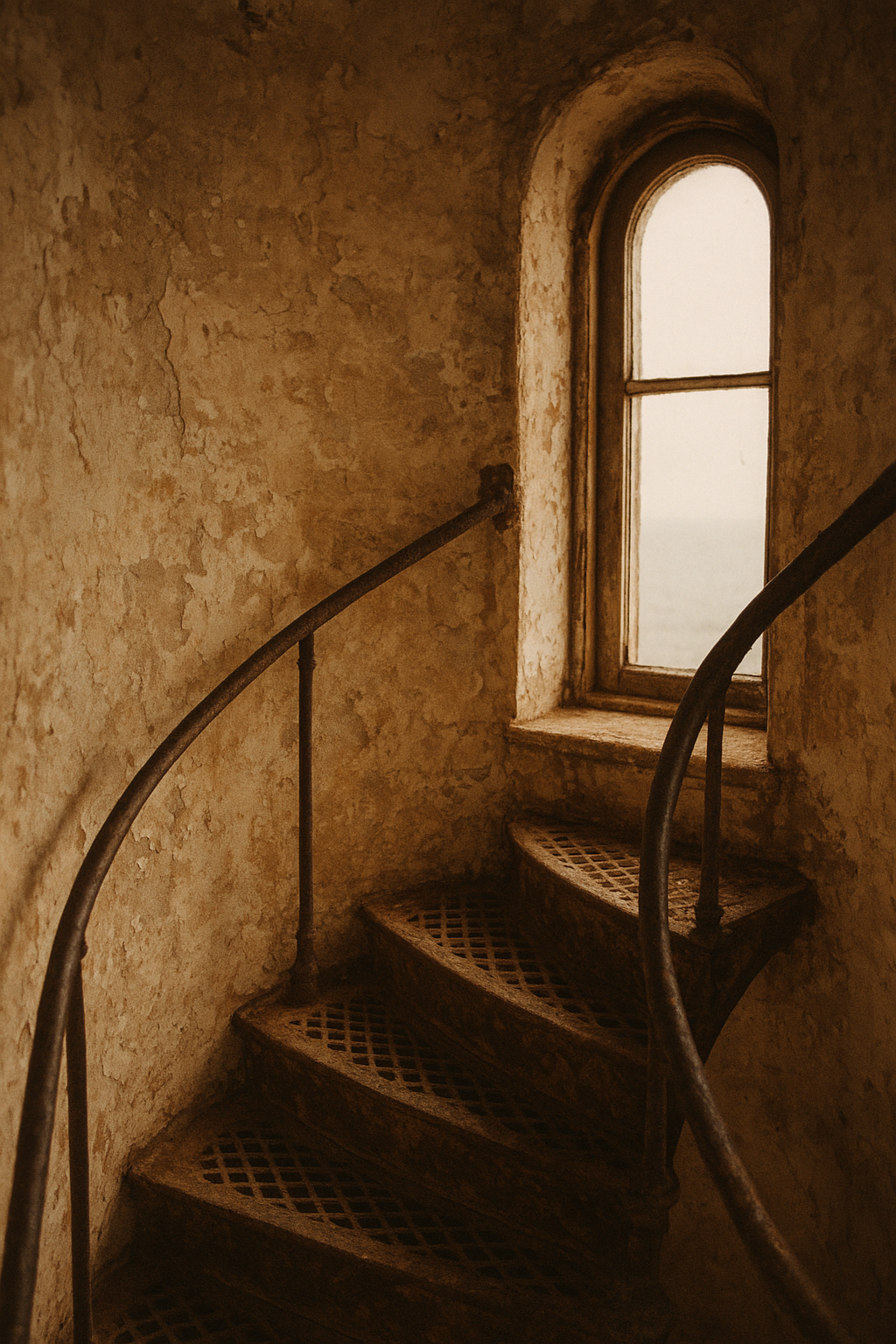
Chronology
A concise sequence to orient your reading before you move into tower records, keeper accounts, and mapped preservation sites.
1790–1835
Harbor-facing lantern towers marked dangerous shoals, creating the coast’s earliest shared navigation network.
1836–1872
Federal surveys and repeatable plans expanded lighthouse coverage to exposed capes and fishing routes.
1873–1918
Live-in keepers, foghorn stations, and logbook discipline transformed lights into year-round coastal institutions.
1919–1964
Electric lamps, radio aids, and remote controls reduced manual duty while preserving key landmark signals.
1965–Present
Decommissioned towers were restored as heritage sites, anchoring research, education, and local stewardship.
Preserved towers
From exposed headlands to sheltered harbor mouths, these towers connect the timeline to places you can still trace on today’s shoreline.
North Head, Alder Bay
Completed in 1874, the tower marked a difficult reef crossing used by timber schooners.
Original hand-cranked fog bell survives
Outer Reach, Dunmar Inlet
Raised in 1891, this cast-iron light guided winter packet boats through heavy tidal chop.
Only surviving iron tower on this coast
Quay Edge, Mariner’s Town
First lit in 1862, it helped coordinate pilot entries where river traffic met open sea swells.
Keeper logbooks are complete from 1903–1938
Archive photo highlights
Four documentary frames selected to draw readers from image into story, place, and preserved detail.
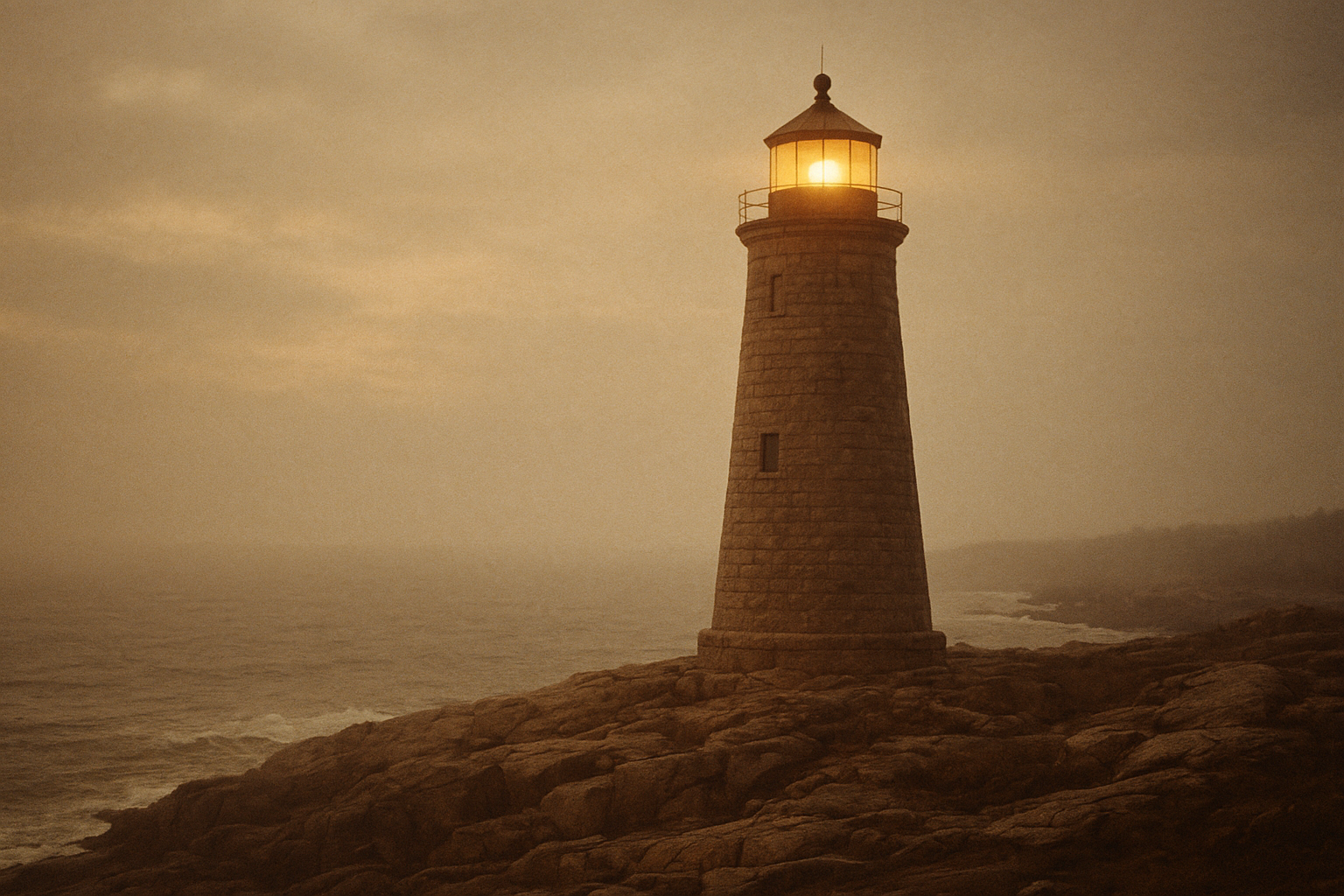
Headland Beacon at Last Light
The lantern room glows just before fog closes the channel, a typical winter watch scene.

Lantern Glass and Salt
Corrosion marks reveal decades of spray and hand-cleaning by resident keepers.
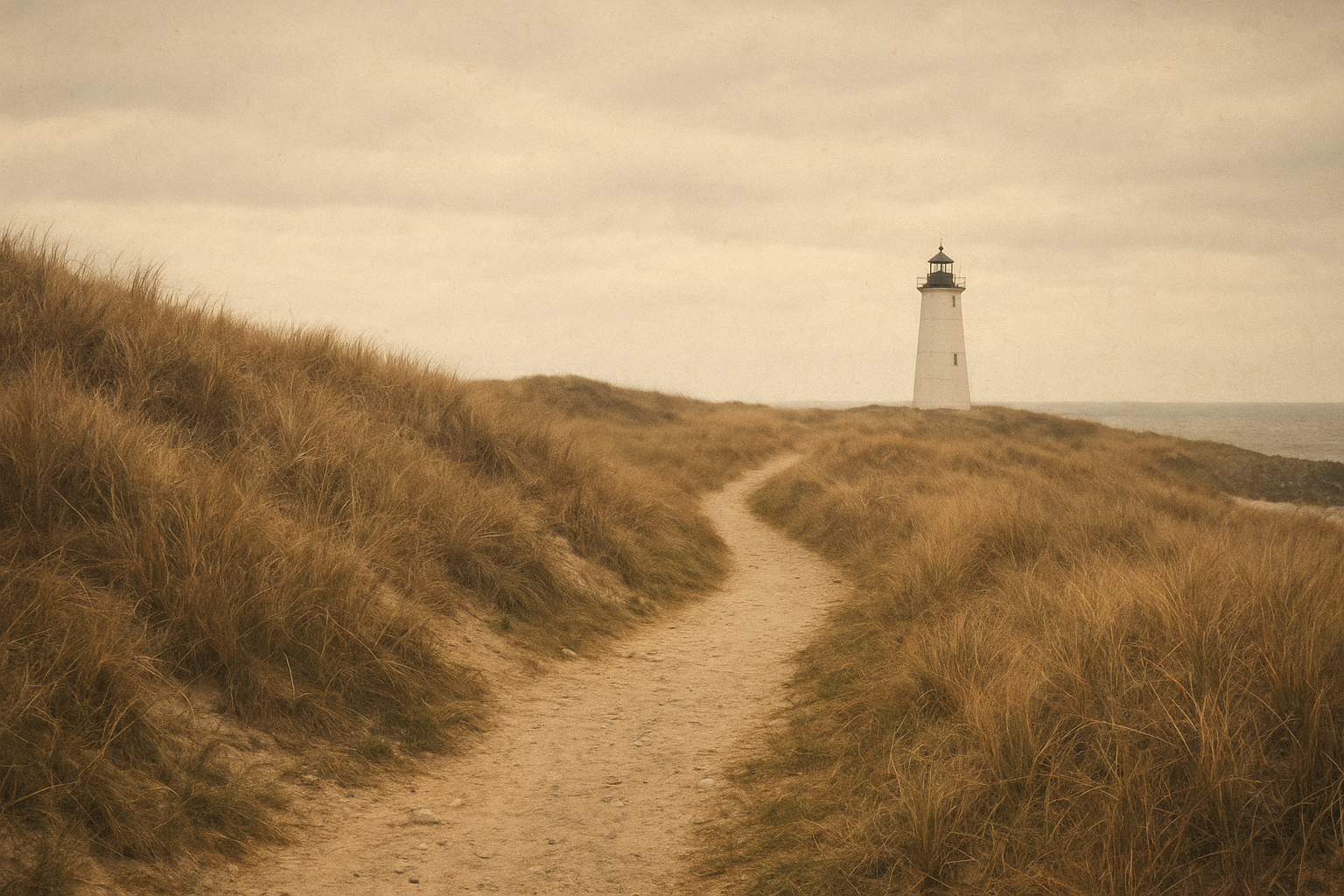
Approach from the South Dunes
Pilgrims and supply crews followed this sand-cut route to reach the station.

Desk of the Night Keeper
Daily log entries and maintenance keys preserved the rhythm of isolated duty.